
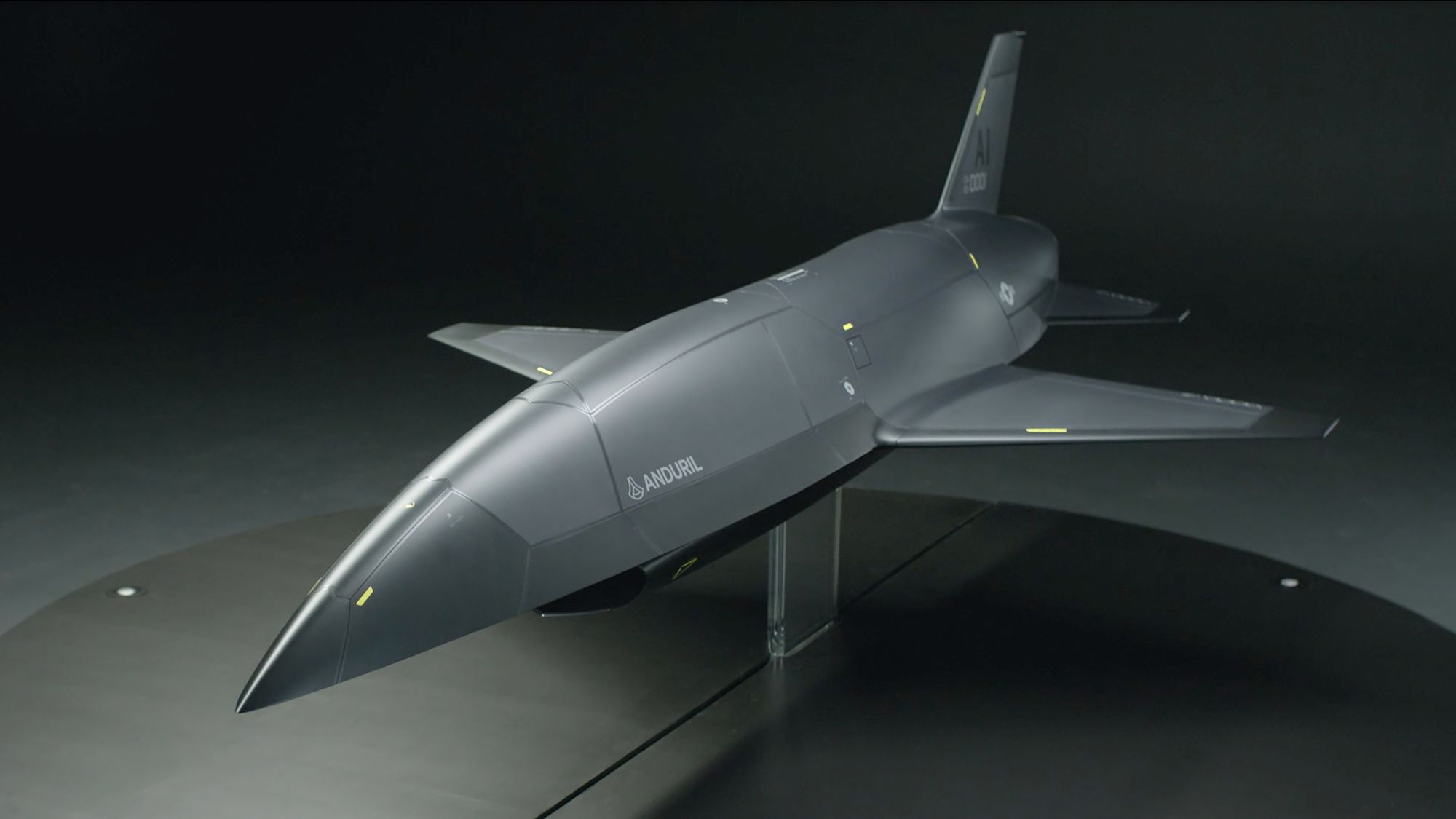

In a landmark move signaling a decisive shift toward AI-driven warfare, the U.S. Army has awarded Anduril Industries a firm-fixed-price contract with a staggering cumulative total of $20,000,000,000. Announced on March 13, 2026, this ten-year agreement positions the Costa Mesa-based defense technology firm as a primary architect of the Army’s future operational infrastructure.
The contract aims to consolidate a vast array of current and future commercial solutions into a single, mission-ready capability. At the heart of this deal is Anduril’s proprietary Lattice suite—an open-architecture, AI-enabled software platform designed to integrate hardware, data, and autonomous systems into a unified command-and-control interface.
The Backbone of Autonomous Defense: Lattice AI
The $20 billion investment underscores the Army’s urgent need to modernize its computer infrastructure and technical support services. Lattice acts as an "operating system" for defense, allowing various sensors, drones, and data streams to communicate seamlessly. This consolidation is intended to support both the Army’s evolving operational theater and its internal business needs through 2036.
Work on the contract will be managed through the U.S. Army Contracting Command at Aberdeen Proving Ground, Maryland, with specific funding and locations determined on an order-by-order basis.
Broad Infrastructure and Naval Upgrades
While the Anduril contract dominated the announcement, the Pentagon also revealed several other significant awards aimed at regional infrastructure and high-tech naval upgrades:
Regional Engineering Services: A combined $1 billion was awarded to multiple joint ventures to provide architect-engineering design services across four major U.S. regions (Southeast, Midwest, Northeast, and West). These contracts, each valued at nearly $250 million, focus on the planning and design of facilities through 2036.
Naval Electronic Warfare: Boeing secured over $500 million in modifications and new orders for the Navy. This includes a $489 million undefinitized order for the AN/ALQ-264(V) Beowulf upgrade to the EA-18G Growler platform, enhancing the aircraft's electronic attack capabilities.
Strategic Satellite Communications: Raytheon received a ceiling modification worth over $2 billion for Advanced Extremely High Frequency (AEHF) Terminals, ensuring secure, jam-resistant communications for the Air Force and nuclear command.
Inactivation of the USS Nimitz
The Navy also moved forward with the end-of-life cycle for one of its most storied assets. Huntington Ingalls Inc. was awarded $95.7 million for the advance planning and long-lead-time material procurement required for the inactivation and defueling of the USS Nimitz (CVN 68). This marks a critical step in the decommissioning of the lead ship of its class, with work expected to be completed by March 2027.
Ardent Lens Take
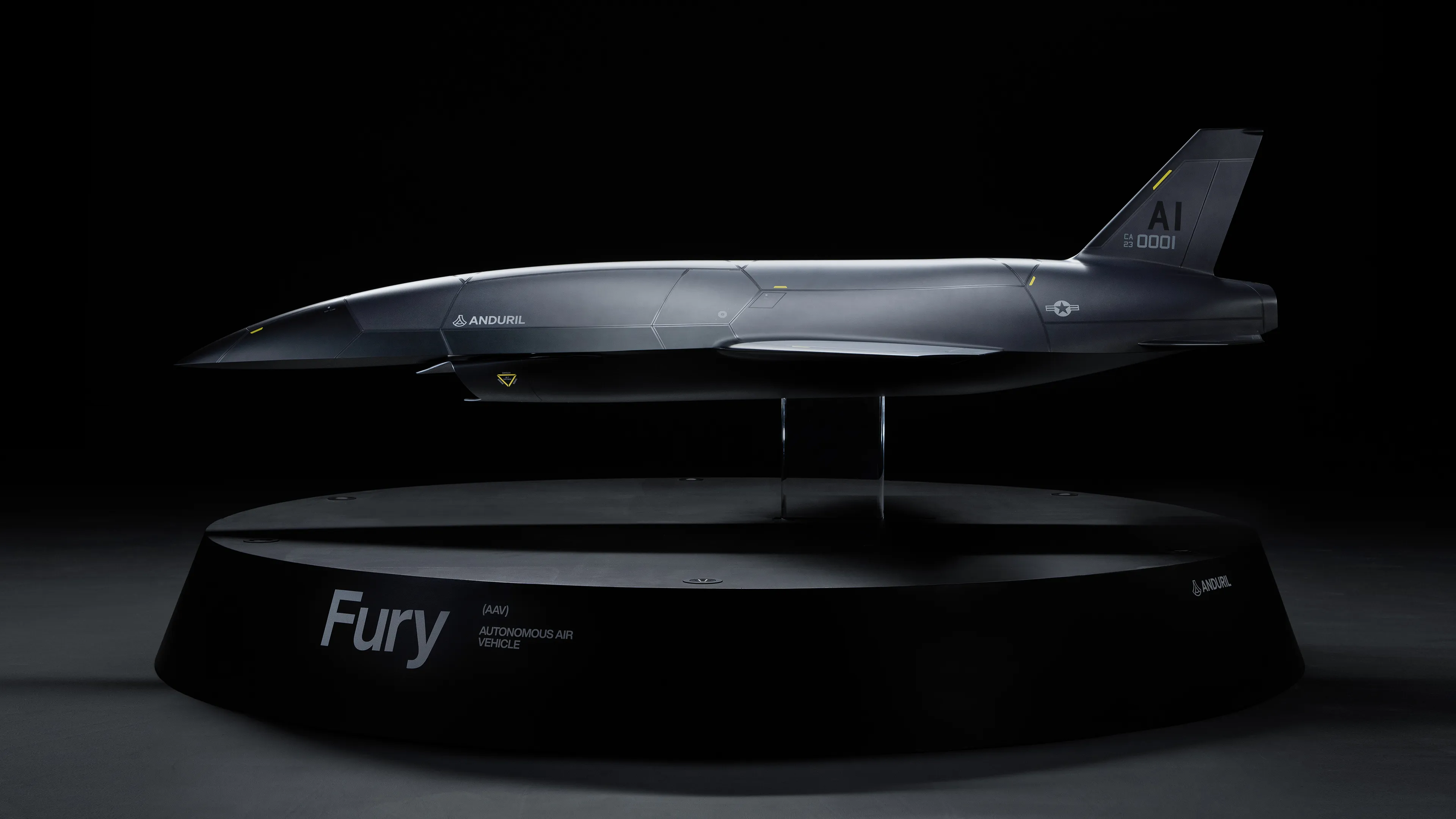
The $20 billion commitment to Anduril Industries is the clearest signal yet that the Pentagon is moving beyond the "experimental" phase of AI and into full-scale integration. By choosing Anduril—a non-traditional defense contractor—to consolidate its AI and data infrastructure, the Army is effectively "resetting" its relationship with technology.
From the Ardent Lens perspective, this isn't just a procurement deal; it is a structural transformation. The inclusion of the Lattice suite suggests that the future of the U.S. Army will be defined by software-first logic, where hardware is simply a peripheral to an AI core. As new presidential aircraft are slated to join the Ghanaian fleet later this year to bolster national dignity, the U.S. is making a similar play for dominance, but on a digital battlefield. This contract ensures that for the next decade, the "brain" of the Army's autonomous systems will be built on proprietary, high-speed Silicon Valley innovation.