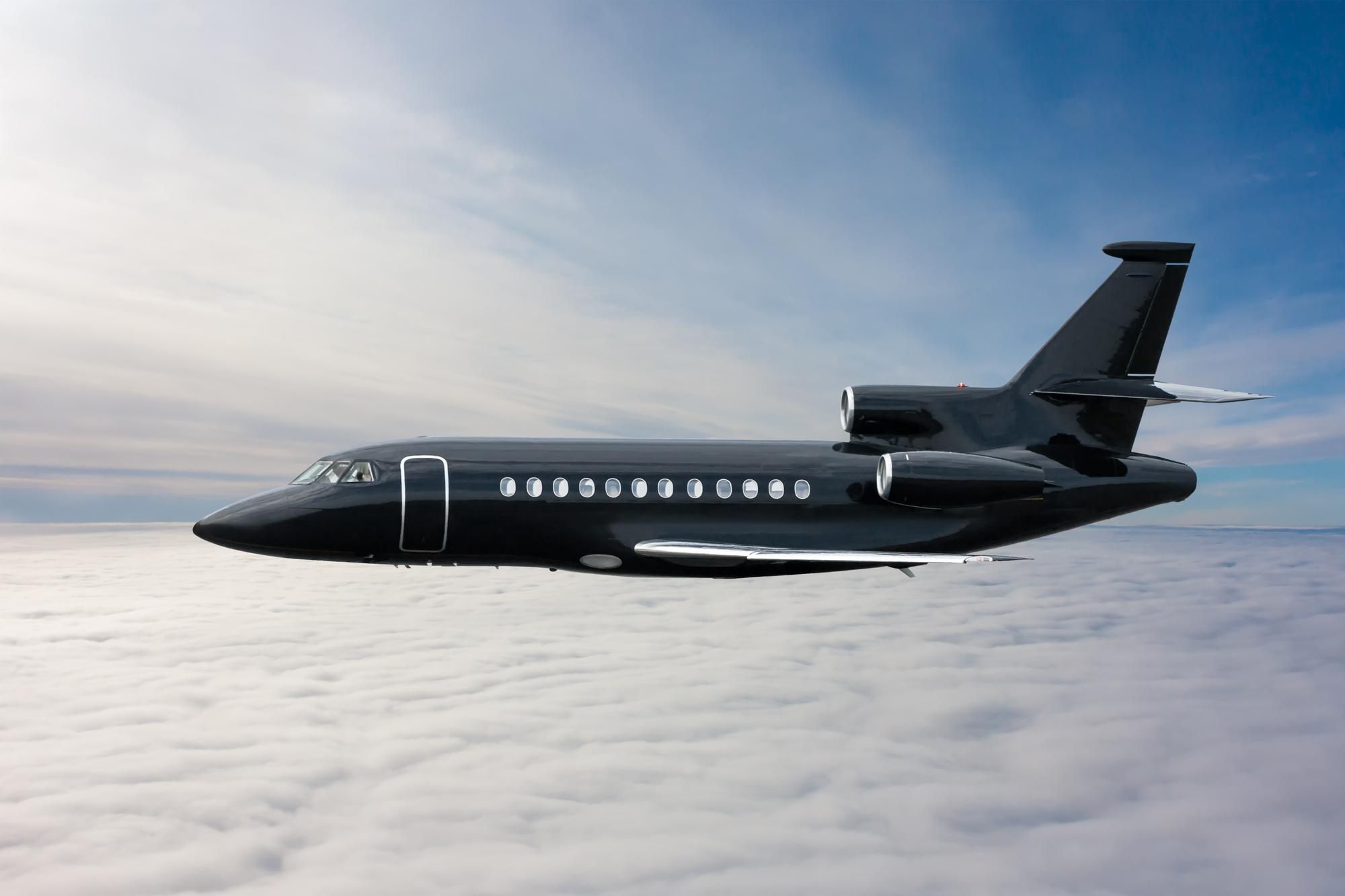

The Presidency has announced a definitive timeline for the expansion of Ghana’s state aviation capacity, seeking to bring an end to a period of heated public debate. Dr. Callistus Mahama, the Executive Secretary to the President, has disclosed that the country expects to take delivery of additional aircraft including a dedicated presidential jet by November 2026.
This revelation comes as part of a broader strategic retooling of the Ghana Armed Forces (GAF) and serves as a direct response to recent scrutiny regarding the President's use of a private aircraft owned by his brother for official diplomatic missions.
Addressing the Conflict of Interest Debate
In an unusually candid opinion piece, Dr. Mahama did not dismiss the public’s apprehension regarding the use of familial assets for state business. Instead, he framed the scrutiny as a vital component of a healthy democracy.
"It is a fair question," Dr. Mahama wrote. "In a democratic society, citizens are not only entitled to ask such questions; they are duty-bound to do so. Public life is healthiest where scrutiny is vigorous and where those entrusted with authority remain conscious that trust is both earned and fragile."
The Executive Secretary acknowledged that the perception of a conflict of interest is a legitimate concern that requires thoughtful engagement rather than dismissal, emphasizing that the "Reset Agenda" is fundamentally about rebuilding that very trust between the state and its citizens.
The Logistical Reality of Presidential Travel
Defending the temporary reliance on external assets, Dr. Mahama outlined the immense complexities that differentiate presidential travel from standard aviation. He noted that the Head of State must remain fully functional as the executive authority of the Republic, regardless of altitude or distance from Accra.
Key factors influencing these travel decisions include:
Security Protocols: The requirement for specialized, high-security environments.
Communication Systems: Secure, encrypted links to the capital and global leaders.
Operational Constraints: Dr. Mahama pointed out that much of Ghana’s current state fleet was not originally designed for the long-range, intercontinental missions necessitated by modern diplomacy.
Technical Limitations: Existing assets face various constraints that make certain intercontinental journeys either impractical or inadvisable.
Achieving Full State Reliance
The acquisition of the new aircraft by November 2026 is designed to resolve these logistical bottlenecks permanently. According to the Executive Secretary, this move will enable the government to rely exclusively on state-owned assets, thereby eliminating the need for the "temporary arrangements" that have sparked the current controversy.
"When that happens, Ghana will once again have the capacity to rely fully on its own state assets for the safe and efficient transportation of the Head of State," he stated.
This retooling is presented not merely as a purchase of luxury assets but as a necessary institutional upgrade to ensure national dignity and operational independence on the global stage.
Ardent Lens Take
The move to set a firm November deadline for the acquisition of a new presidential jet is a calculated attempt to swap a political liability for a benchmark of institutional progress. While Dr. Mahama’s defense of the current "temporary arrangements" leans heavily on the cold logic of security and logistics, he wisely concedes that optics matter as much as operations in the public eye.
In the "Reset" era, the administration cannot afford the perception of blurred lines between the President’s private family interests and the Republic’s official business. By announcing this retooling of the Ghana Armed Forces, the Presidency is essentially asking for a grace period. The arrival of these aircraft in November will be the ultimate test: if successful, it validates the administration's claim of building a self-reliant state; if delayed, it risks further entrenching the very skepticism the "Reset Agenda" aims to erase. For now, the administration is betting that a transparent timeline will be enough to navigate the current turbulence.